
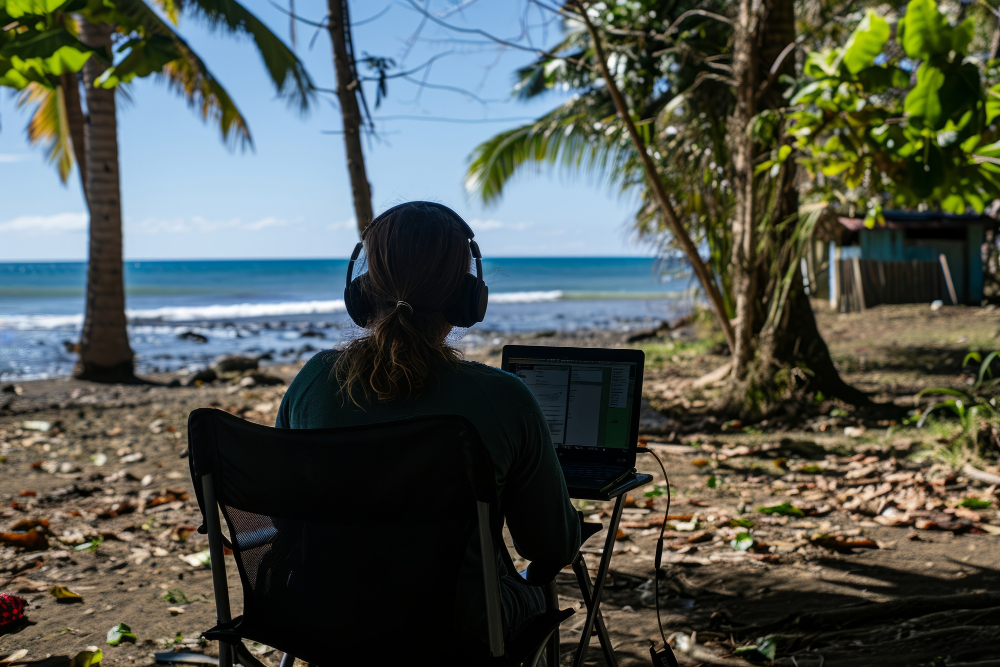
I know this story well. You arrive in Madeira for two weeks. You stay a month. You return six months later. You start thinking: "What if I actually stayed?"
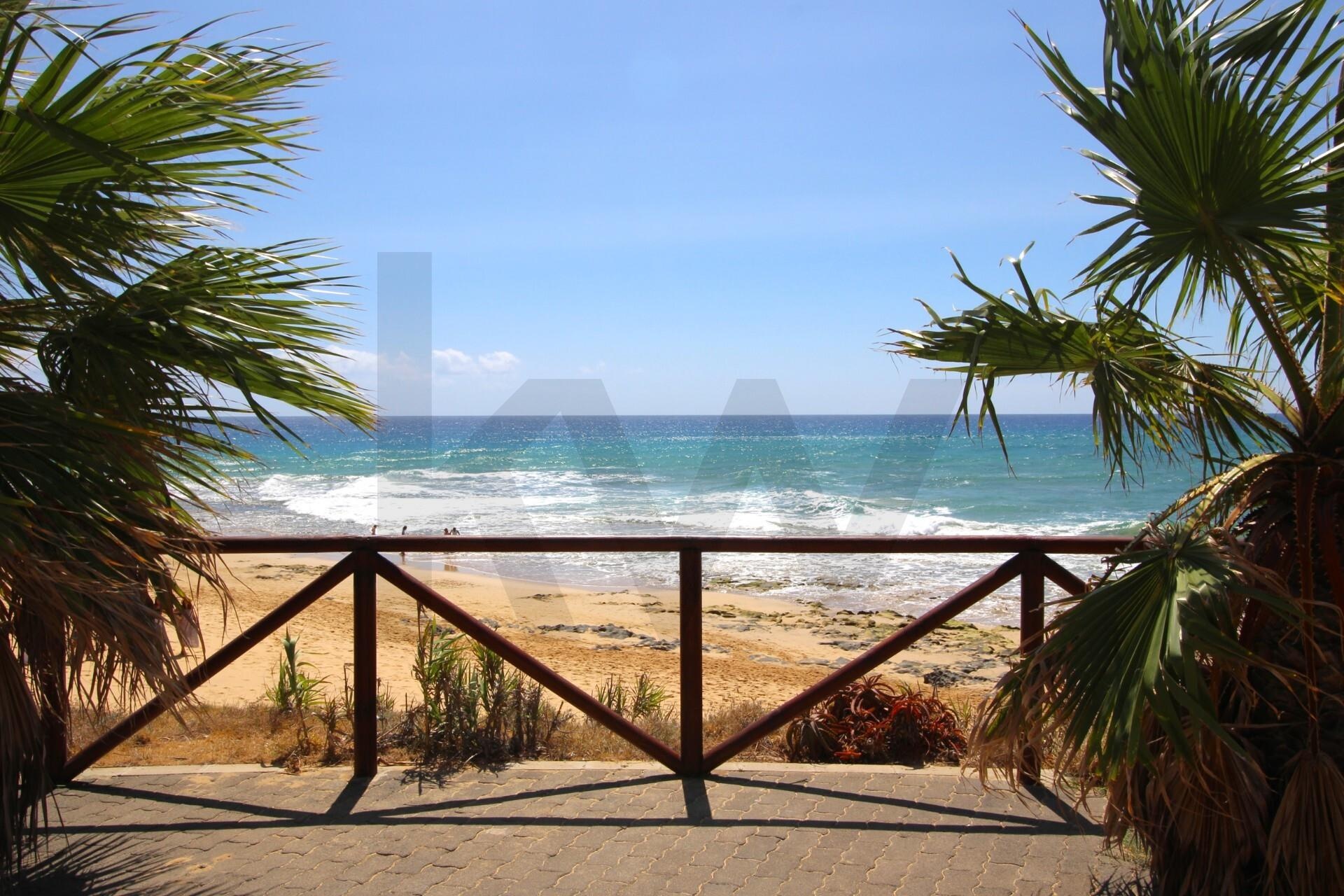
It is a story I hear with increasing frequency — and that, over the past two years, has moved from exception to trend. Madeira has become one of the most sought-after destinations for digital nomads worldwide. The climate, the nature, the safety, the growing international community, the quality of life that has no equivalent at this price point in Western Europe.
But between "loving Madeira" and "staying in Madeira with financial intelligence" there is a space that few navigate well. This article is about that space.
It is not accidental. It is the result of unique conditions that converged at the right moment.
NuMadeira has one of the best climates in Europe — stable year-round, without the temperature extremes of continental Europe or southern Portugal. It has growing internet infrastructure quality, with an expanding network of co-working spaces, particularly in Ponta do Sol, which has become an internationally recognised hub for remote working.
The digital nomad community has created its own ecosystem — events, connections, mutual support. Startup Madeira has been a fundamental catalyst for this movement, building bridges between the local ecosystem and the international professionals who choose the island as their base.
The cost of living, compared to Lisbon, Barcelona, Amsterdam, or any city of equivalent lifestyle quality, remains significantly lower. For those earning in strong currencies — dollars, pounds, Swiss francs — Madeira offers an economic equation that is difficult to match anywhere in Europe.
And then there is the intangible: the human scale of the island, the sense of security, the genuine hospitality, nature accessible within twenty minutes from any urban point. Factors that appear in no spreadsheet but determine real quality of life.
What Establishing Tax Residency in Madeira Actually Means
This is where many nomads avoid thinking — and where it later costs them dearly.
"Tax residency" is not the same as "living in Madeira." It is a legal concept with concrete implications that determine where and how you pay taxes.
In Portugal, you become a tax resident when you spend more than 183 days per year in the territory, or when you maintain your principal residence here. From the moment you are considered a tax resident in Portugal, your tax obligations change — which can be an enormous advantage, a significant disadvantage, or something in between, depending on your specific situation.
What changes when you become a tax resident in Portugal:
You become taxable in Portugal on worldwide income — not only on what you earn in Portugal. You gain access to specific tax regimes such as the IFICI which can significantly reduce your tax burden for ten years. You become subject to Portuguese reporting obligations — annual personal income tax return, declaration of foreign assets in certain circumstances.
And — a critical point — you cease to be a tax resident in your country of origin, with the implications that has for pensions, social security, access to public services, and taxation of income generated in that country.
There is no universal answer on whether becoming a tax resident in Portugal is advantageous. There is individual analysis.
How Much It Costs, How Much You Save, How Much You Can Earn
Vivamus varius vitae dolor ac hendrerit. Vestibulum nec dolor ac nunc blandit aliquam. Nam at metus non lFor digital nomads with income above a certain threshold, tax optimisation in Madeira can represent very significant annual savings. But the numbers must be calculated case by case.
The typical favourable scenario:
A European professional with annual income of €80,000 to €150,000, receiving from clients or employers outside Portugal, who qualifies for the IFICI regime, can benefit from a 20% flat
rate on Portuguese-sourced income, with potential exemption on foreign-sourced income, depending on the application of relevant double taxation conventions.
Compared with the maximum marginal rates in countries such as Germany (45%), France (45%), the Netherlands (49.5%), or the United Kingdom (45%), the difference in annual tax burden can amount to tens of thousands of euros.
The structuring costs:
Becoming a tax resident in Portugal correctly has costs. Initial tax analysis, support through the application process for specific regimes, potential restructuring of contracts or invoicing — these are investments that are recovered quickly when the tax saving is real. The mistake is doing it in an improvised manner and discovering afterwards that the structure is incorrect.
The property question — rent or buy:
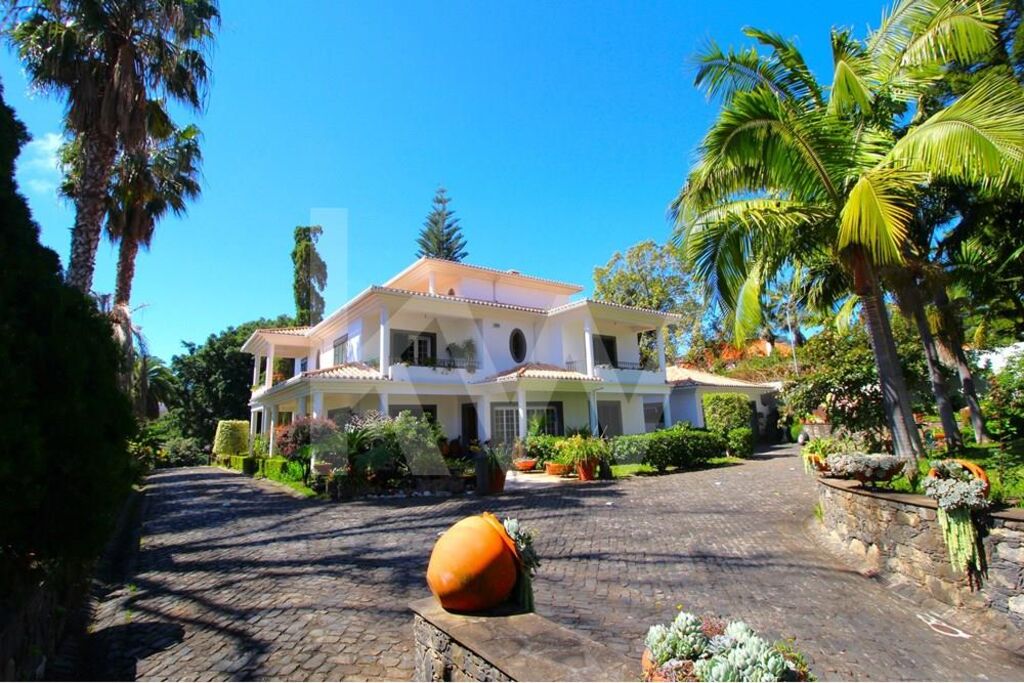
For nomads in the exploration phase, renting is typically the first stage. Madeira's rental market is under pressure — prices rising, limited supply in prime areas. Those who decide to buy are making a bet on market appreciation that, until now, has been consistently positive: property prices rose 12.6% in 2024 alone.
The 3 Mistakes Digital Nomads Make When Trying to Stay
Mistake 1: Treating tax residency as an administrative formality
Many nomads obtain a NIF, open a bank account and consider themselves "living in Portugal." Tax residency is a legal process with consequences in two countries — the country of origin and the destination. It must be managed with rigour.
Mistake 2: Not coordinating with the country of origin before leaving
Fiscal exit from a country — especially Germany, the Netherlands, the United Kingdom, or the United States — has specific rules. Assets, pensions, passive income, stock options — each element has its own treatment. Failing to coordinate the exit can result in double taxation or obligations in the country of origin that one believed had ended.
Mistake 3: Separating the decision to live from the decision to invest
Nomads who arrive in Madeira and decide to stay frequently buy property later than they should — when prices have already risen. The decision to reside and the decision to invest have different timelines but must be thought through together from the outset.
Madeira in 2026 — A Window That Is Closing
The market that exists today in Madeira — with current prices, current yields, available tax regimes — will not exist in the same form in three years. Markets that attract international attention tend to appreciate until their competitive advantage diminishes.
This is not alarmism. It is the historical behaviour of every market that has gone through the same cycle — Lisbon a decade ago, the Algarve before that, Porto more recently.
Madeira is in that cycle now. Portugal recorded the second-largest annual rise in house prices in Europe in Q3 2025. Madeira recorded the highest rental growth rate in the country. For those considering making the transition from visitor to resident — and from resident to investor — 2026 is likely the most favourable moment they will find in the coming years.
The First Step — Which Is Not Buying Anything
The first step is not finding the right flat. It is not comparing rental prices. It is not visiting quintas for rehabilitation.
The first step is understanding, with rigour and with real data, what your specific tax framework is, what the implications of residency in Portugal are for your personal situation, and what the entry strategy — fiscal and financial — makes sense for you.
That analysis, carried out correctly, is what transforms an emotional decision into a financially intelligent one. And it is precisely what we do at Atlantic Pearl Capital.
Madeira has won you over. We take care of the part that ensures staying is also the smartest financial decision you can make. Start with a complimentary strategic consultation — no commitment, real data, and personalised analysis for your situation.
→ Make your next move an intelligent one — speak with us today



Join The Discussion
32 thoughts on “Why Madeira Became the Nomad Destination”
Как подвести коммуникации к [url=https://kapsulnyj-dom-1.ru]капсульный дом[/url] на удалённом участке?
Можно ли использовать [url=https://vpn-1.ru]впн[/url] без подписки на постоянной основе?
Можно ли пользоваться [url=https://vpn-1.ru]VPN[/url] на игровой консоли?
Как [url=https://marketingovoe-agentstvo-1.ru]маркетинговое агентство[/url] выстраивает стратегию продвижения под конкретный бизнес?
Как [url=https://domashnie-zhivotnye-1.ru]домашние животные[/url] переносят длительные поездки в автомобиле?
[url=https://prodvizhenie-sajta-s-garantiej.ru]Продвижение сайта с гарантией[/url] — это маркетинговый ход или реальная практика?
Влияет ли возраст домена на [url=https://prodvizhenie-molodyh-sajtov.ru]продвижение молодых сайтов[/url]?
Какие [url=https://domashnie-zhivotnye-1.ru]домашние животные[/url] меньше всего вызывают аллергию?
Когда лучше [url=https://zakazat-prodvizhenie-sajta.ru]заказать продвижение сайта[/url] — сразу при запуске или через несколько месяцев?
Какие ошибки чаще всего губят [url=https://geo-prodvizhenie-sajta.ru]Гео продвижение сайта[/url] на старте?
Как [url=https://marketingovoe-agentstvo-1.ru]маркетинговое агентство[/url] должно отчитываться перед клиентом — какой формат оптимален?
Стоит ли [url=https://zakazat-prodvizhenie-sajta.ru]заказать продвижение сайта[/url], если он сделан на Tilda или другом конструкторе?
Как [url=https://domashnie-zhivotnye-1.ru]домашние животные[/url] влияют на качество сна своих хозяев?
Как [url=https://seo-optimizaciya-i-prodvizhenie-sajtov.ru]seo оптимизация и продвижение сайтов[/url] влияют на стоимость привлечения клиента?
[url=https://sozdanie-sajtov-1.ru]Создание сайтов[/url] для интернет-магазина — какую платформу лучше выбрать?
Как крауд-маркетинг помогает, когда идёт [url=https://seo-prodvizhenie-molodogo-sajta.ru]SEO продвижение молодого сайта[/url] на старте?
Может ли малый бизнес позволить себе [url=https://seo-pod-klyuch.ru]seo под ключ[/url] или это только для крупных?
Как поведенческие факторы влияют на [url=https://seo-prodvizhenie-molodogo-sajta.ru]seo продвижение молодого сайта[/url]?
Как контролировать ход работ, если заказал [url=https://seo-prodvizhenie-pod-klyuch.ru]SEO продвижение под ключ[/url] у агентства?
Какие гарантии реалистично ожидать при заказе SEO продвижения под ключ? [url=https://seo-prodvizhenie-pod-klyuch.ru]SEO продвижение под ключ[/url]
Как [url=https://seo-optimizaciya-sajta.ru]seo оптимизация сайта[/url] влияет на индексацию новых страниц?
продвижение сайта в поисковых системах [url=https://prodvizhenie-sajta-v-poiskovyh-sistemah.ru]продвижение сайта в поисковых системах[/url] .
Как измерить окупаемость вложений в [url=https://seo-prodvizhenie-pod-klyuch.ru]SEO продвижение под ключ[/url]?
Как [url=https://seo-prodvizhenie-zakazat.ru]seo продвижение заказать[/url] с минимальными рисками для бюджета?
[url=https://seo-prodvizhenie-molodogo-sajta.ru]SEO продвижение молодого сайта[/url] — нужно ли сразу подключать Яндекс.Вебмастер и GSC?
Как сформулировать KPI, прежде чем [url=https://raskrutka-sajtov-zakazat.ru]раскрутка сайтов заказать[/url]?
Реально ли найти компанию, предлагающую [url=https://prodvizhenie-sajta-s-oplatoj-za-rezultat.ru]продвижение сайта с оплатой за результат[/url]?
Что делать, если [url=https://prodvizhenie-sajta-v-poiskovyh-sistemah.ru]продвижение сайта в поисковых системах[/url] резко упало после обновления?
Что спросить у подрядчика на первой встрече, прежде чем [url=https://zakazat-prodvizhenie-sajta.ru]заказать продвижение сайта[/url]?
Как сохранить контроль над процессом, если [url=https://zakazat-prodvizhenie-sajta.ru]заказать продвижение сайта[/url] у агентства?
[url=https://top-seo-prodvizhenie.ru]Топ seo продвижение[/url] — это только позиции или ещё и трафик, и конверсии?
Как [url=https://uslugi-seo-prodvizheniya.ru]услуги seo продвижения[/url] изменились за последние 2–3 года?